A mining project begins with a geologist's report and ends with a bank's decision. In between, investors, regulators and engineers read the same documents and make multimillion-dollar choices. When a deposit lies in Kazakhstan, Russia or Mongolia and the investors sit in London, Toronto or Sydney, the geological and technical reports often have to move from Russian into English. A resource report is only as credible as its terminology, because the difference between an inferred and an indicated resource is the difference between a hope and a bankable asset. This guide explains how mining companies and investors can handle Russian technical documents in English.
Documents in a Mining Project
Typical files include exploration reports, drilling logs, assay results, geological maps, resource and reserve estimates, feasibility studies, environmental and social impact assessments, licence documents, safety procedures and community agreements. Each has a different audience. Investors focus on resource estimates and costs, regulators look at licences and compliance, and communities read about impacts and benefits.
Reporting Standards
International codes set rules for reporting mineral resources and reserves. Industry bodies such as the International Council on Mining and Metals publish guidance on responsible practice at icmm.com. Russian and former Soviet systems of classifying reserves differ from Western codes, so a simple word-for-word translation can mislead readers. A qualified person must reconcile the categories and explain the differences.
Why Terms Cannot Be Guessed
Geological and mining vocabulary is exact. Rock types, minerals, structures, methods and equipment have standard English names, and some Russian terms have several possible renderings. A translator who is not familiar with the field may choose a term that sounds correct but means something else. Provide a glossary, and ask the project geologist to review the translated report.
Specialised Translation Support
Companies often need large volumes of material in a short time, for due diligence or a stock exchange filing. A provider of russian document translation with technical experience can organise teams of translators, keep terminology consistent across hundreds of pages and deliver in stages as the data room grows. Ask for translators who have worked on geological, engineering or environmental texts.
Tables, Maps and Figures
Reports contain many tables of assays, coordinates and tonnages, as well as maps with legends. Numbers must be copied exactly, and units must be clear. Coordinate systems, scales and legends should be translated without changing the geography. Ask the designer to keep the layout, and verify that the translated legend matches the map symbols.
Licences and Legal Documents
Exploration and mining licences define areas, durations and obligations. Their translation is legally sensitive, since conditions on work programmes, reporting and royalties can affect the value of a project. Have certified translations prepared where required, and keep the originals and translations together. For related reading on the language pair, see this article on Russian to English translation.
Environmental and Social Documents
Impact assessments, management plans and consultation records show how a project treats land, water and people. They are read by lenders, regulators and community groups. Use plain language where the audience is local, and technical language where required by the regulator. Keep records of public meetings and translated minutes, since they may be requested later.
Safety and Field Operations
Field crews need safety procedures and emergency plans in a language they understand. Translate signs, permits, instructions and training materials, and test them with workers. Mining sites have specific hazards, such as blasting, heavy equipment and confined spaces, and unclear instructions can lead to accidents. Visual signs and short sentences help in noisy places.
Data Rooms and Due Diligence
During a transaction, buyers review documents in a virtual data room. Organise files in a clear structure, add an index in English and flag which documents are translations. Keep a log of questions and answers. A well prepared data room speeds up negotiations and builds confidence that the seller has nothing to hide.
Plan the Process
Agree on terminology, formats and review steps before starting. Assign one coordinator who talks to the translators and answers questions quickly. Freeze the source documents before translation, and track changes in versions. With a clear plan, a mining company can present its project to the world in precise English and keep the trust of investors, partners and authorities.
Core Logs and Sample Records
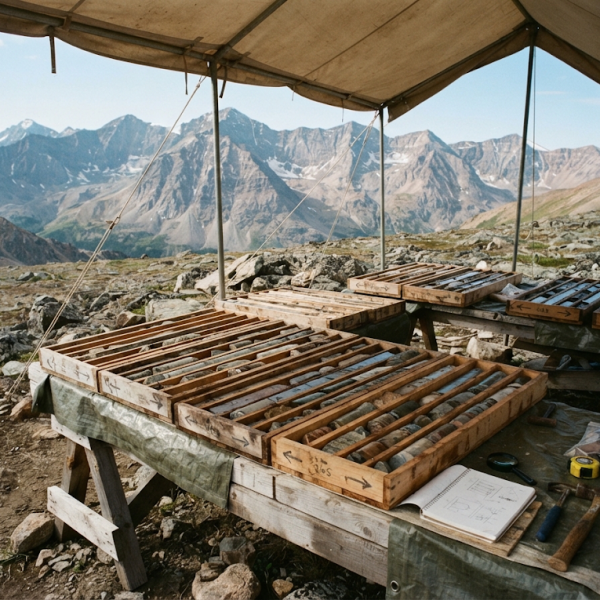
Drilling and sampling records are the raw evidence behind every estimate. Core logs describe rock types, alteration, structures and sample intervals, often by hand and in field shorthand. Translators should work with geologists to decode abbreviations, keep depths and intervals unchanged and preserve any notes about uncertainty. A single misplaced interval can distort a resource model, so careful comparison with the original logs is essential.
Equipment and Procurement Documents
Projects also buy drilling rigs, crushers and power systems. Tender documents, specifications and supplier contracts need translation that preserves technical details, delivery terms and warranty conditions. Agree on a glossary with procurement, engineering and legal teams, so that purchase orders and technical annexes use the same words and nobody receives the wrong equipment.
Confidentiality and Security
Geological data are valuable commercial assets. Share files through secure systems, sign confidentiality agreements with translators and limit access to those who need it. Keep a record of who received which files, and delete temporary copies after the project ends.